- Género
- ARTE - Danza - Tango
- ISBN
- 978-9878546476
- Páginas
- 200
- Formato
- 14.5 cm x 21 cm
- Colofón
- octubre de 2025
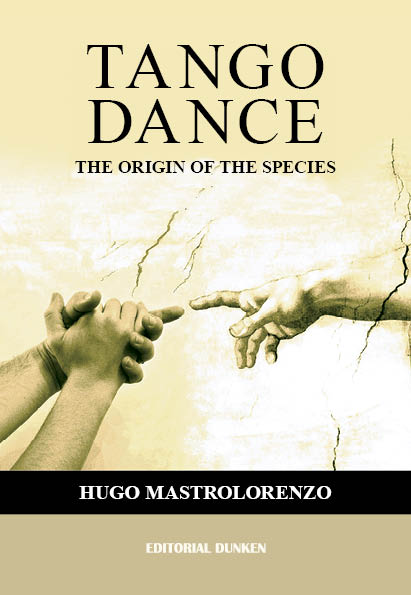
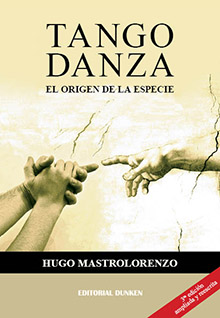
Tango Dance. The origin of the species
Tango-Dance. The origin of the species is the first book exclusively dedicated to exploring the origins of tango dance. The first part presents a comprehensive collection of various origin theories, from the first published in 1882 to the present day, making it an essential reference for anyone seeking in-depth knowledge of the subject. In the second part, the author provides a detailed analysis of each of the pillars that build and support these theories. In the third part, Hugo Mastrolorenzo develops his personal perspective on the origin of tango, addressing topics never before explored. His research delves into the dance from multiple angles—not only through documentary analysis, but also from the technical fields of dance, neuroscience, and his own perspective as a performer, arriving at unprecedented conclusions that lead to this new and unique theory.
This book is a must-read for anyone who considers themselves a true lover of this dance, this genre—this cultural phenomenon that is tango.
Hugo Mastrolorenzo developed a notation system, a teaching method, and a new theory about the origin of tango. His books have been highlighted by the press as “one of the sharpest contributions to the genre.” A provocative choreographer, he succeeded in forging his own language, expressing a renewed conceptual perspective. He has taught classes and performed on the most emblematic stages of Argentina and in dozens of cities across Europe, America, and Asia. World champion in tango dance, together with Agustina Vignau, he received the highest rating from three jury members, achieving the most extraordinary score in the history of the world championships. He received the Min-On Concert Association award from Japan, the distinction from the Chamber of Deputies of the Argentine Nation, the Tango Prize for his work “Volá,” and the “Ambassadors of Tango” award, sponsored by UNESCO, Pro Tango, and the Presidency of the Argentine Nation. Some media outlets claim his greatest achievement lies in his research contributions to the genre, while others maintain his greatest merit is breaking traditional paradigms of stage tango.
También de este autor



Libros que te pueden interesar